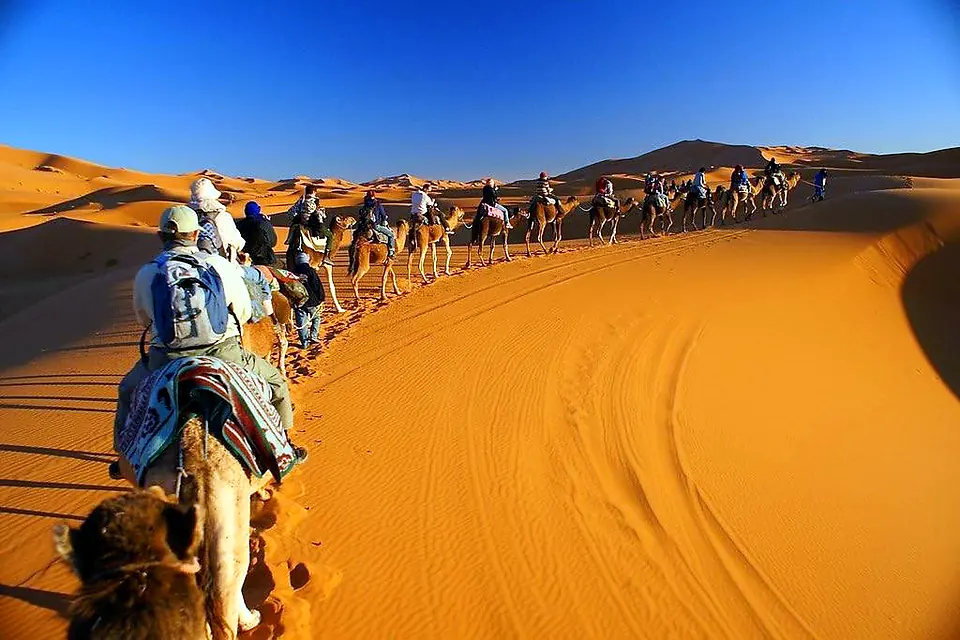
Pack for four climates and two dress codes. On a single Morocco tour you'll walk hot medinas, sit in an air-conditioned vehicle for hours, stand on a windy Atlas pass, and sleep somewhere genuinely cold in the Sahara. Layers solve almost all of it.
Three principles
- Layers beat bulk. Days are warm, nights are cold, and the difference can be 20°C in the same 24 hours.
- Modest is easier. Covered shoulders and knees are not required by law, but they attract noticeably less attention and are necessary at some religious sites.
- Pack a small overnight bag. At the desert camp you leave the vehicle and go in by camel. You want a daypack, not a suitcase.
Clothing
- Lightweight long trousers or a long skirt — cooler than shorts in real heat, and more comfortable in medinas
- Two or three breathable long-sleeved tops
- A warm mid-layer (fleece or light down) for desert nights and the Atlas
- A light waterproof or windproof jacket, especially November–March
- A large scarf — sun, wind, dust and mosque visits, all solved by one item
- Comfortable walking shoes with grip; medina lanes and kasbah steps are uneven
- Sandals or slip-ons for the riad and camp
- Swimwear — many riads and desert camps have pools
For mosque and religious site visits: shoulders and knees covered for everyone. Women may want a scarf to cover their hair at certain sites. The Hassan II Mosque in Casablanca is one of the few open to non-Muslim visitors, and dress standards there are enforced.
The desert overnight bag
This is the thing most people wish they'd known. When you reach Merzouga, you transfer to camels for the ride into the dunes — your main luggage stays with the vehicle. Bring a small daypack with:
- Warm layer and something to sleep in
- Change of clothes and underwear
- Toothbrush and minimal toiletries
- Head torch or phone torch
- Power bank — camps often run on generators with limited hours
- Water, and any medication you need
Practical essentials
- High-factor sun cream, sunglasses, a hat
- Reusable water bottle
- Hand sanitiser and tissues — not every rest stop is well equipped
- Basic first aid: plasters, painkillers, rehydration salts, anything for an upset stomach
- Universal adapter (Morocco uses European two-pin, 220V)
- Cash in small notes for tips, taxis and small purchases — cards are not accepted everywhere in the south
- Copies of your passport, and travel insurance details
- Dust protection for camera gear if you're shooting in the dunes
What you can leave at home
- A hairdryer — most riads provide one, and camp power is limited
- Heavy hiking boots, unless you're actually trekking in the Atlas
- Large amounts of jewellery
- A hard-shell suitcase, if you can avoid it — soft bags handle vehicle loading and camel transfers far better
What you should pack ultimately depends on the season — see our month-by-month guide — and the route. Our 5-day desert tour and 7-day itinerary both list the specific conditions you'll encounter.
Frequently asked questions
What should women wear in Morocco?
There is no legal dress code for visitors, but covered shoulders and knees attract less attention and are expected at religious sites. Loose, lightweight long trousers, skirts and long-sleeved tops are both cooler and more comfortable than shorts in the heat.
Do I need a sleeping bag for the desert camp?
No. Desert camps provide beds, bedding and heavy blankets. You just need warm layers and something to sleep in, as nights are cold year-round.
Can I use credit cards in Morocco?
In cities and larger hotels, usually yes. In the south — small kasbah hotels, desert camps, roadside stops and souks — cash is essential. Carry Moroccan dirhams in small notes.
What shoes should I bring for a Morocco tour?
Comfortable, broken-in walking shoes with decent grip for uneven medina lanes and kasbah steps, plus sandals or slip-ons for riads and the camp. Heavy hiking boots are unnecessary unless you're trekking.
Is there wifi and phone signal on a Morocco desert tour?
Signal is good along most of the route and in towns, but patchy in the dunes. Many camps have limited wifi and generator-based power for set hours — bring a power bank.
Questions about your specific route?
Every itinerary has slightly different conditions. Tell us which tour and season and we'll send a tailored list.
Ask us on WhatsAppRelated guides
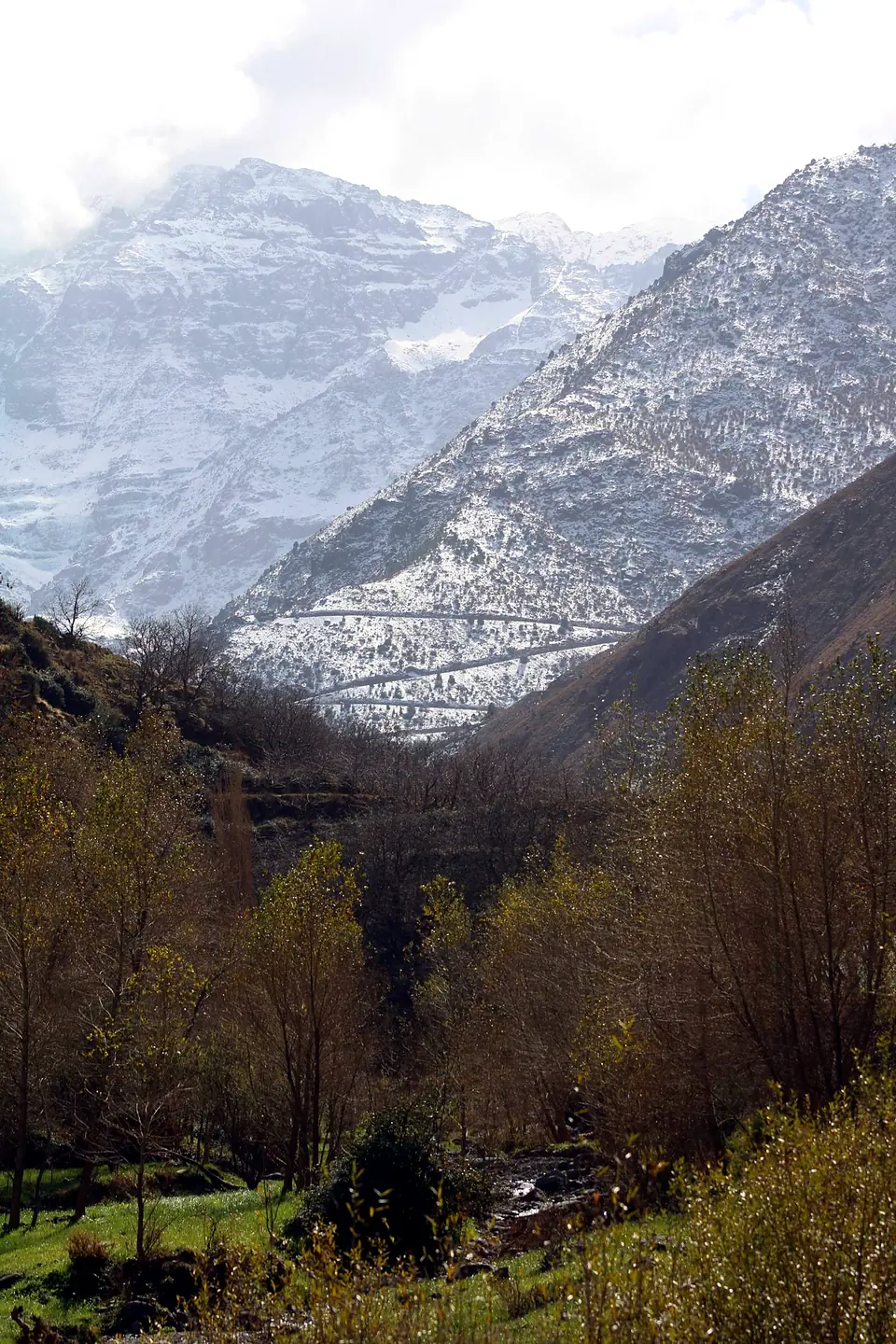
Best Time to Visit Morocco
Month by month, region by region — including the desert, the Atlas and the coast.
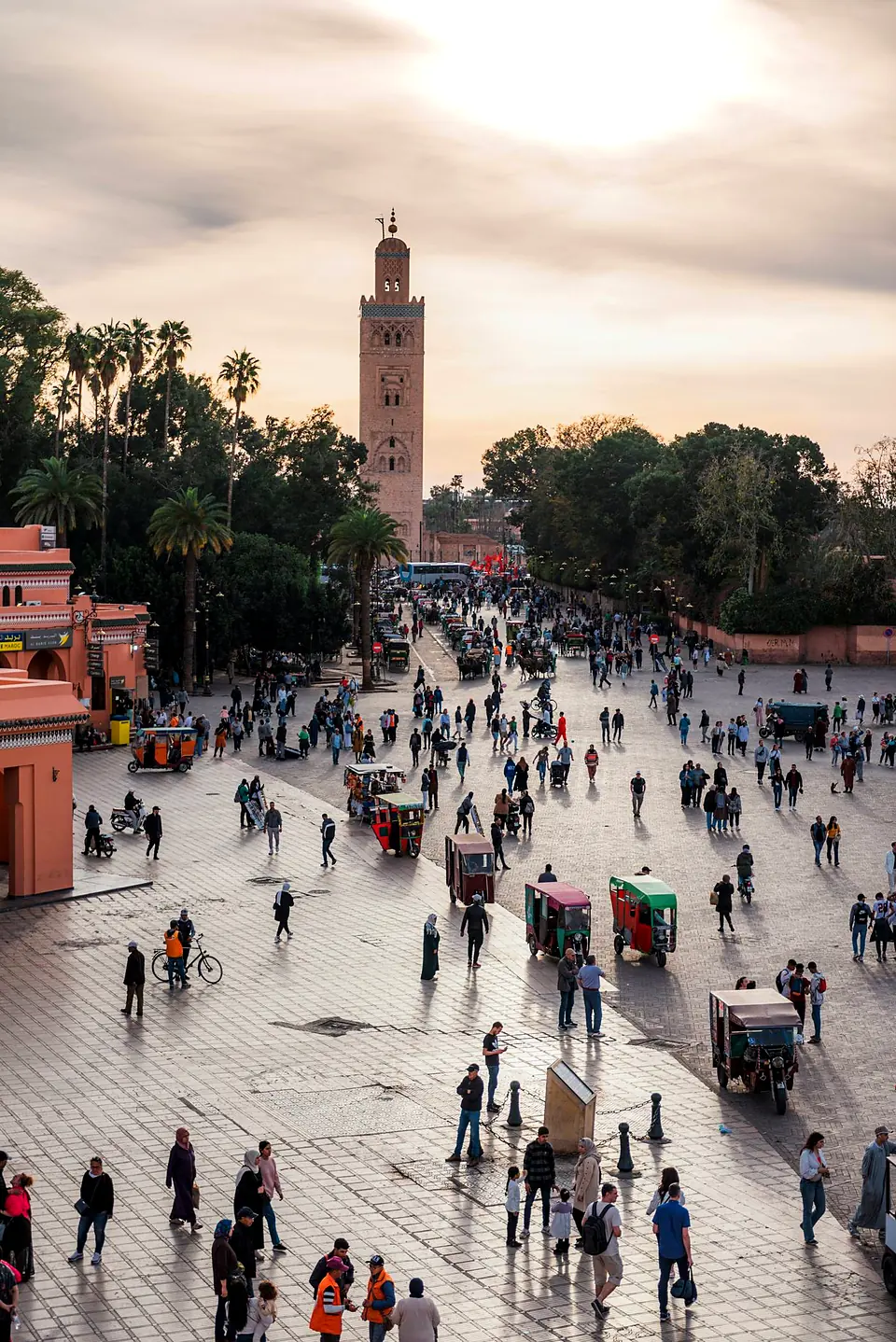
Is Morocco Safe for Solo Travellers?
A straight answer on safety, harassment, scams and what actually helps.
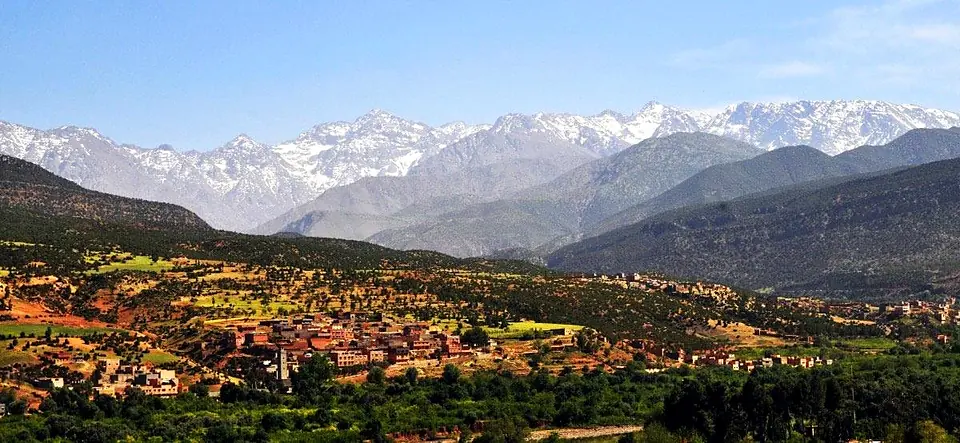
How Many Days Do You Need in Morocco?
What you can realistically see in 2, 3, 5, 7, 10 or 15 days — and which length fits your trip.